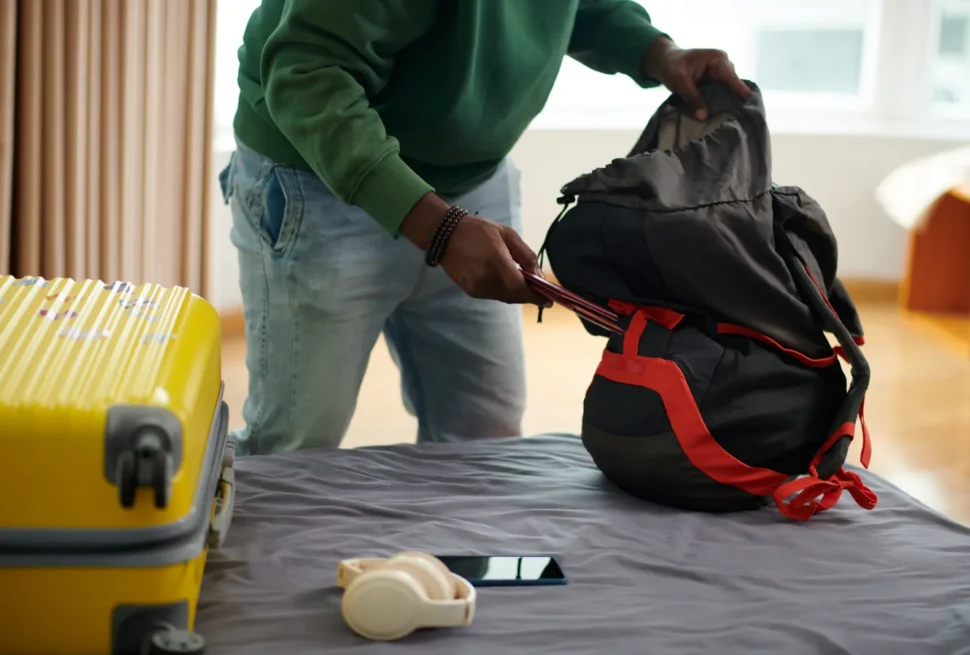
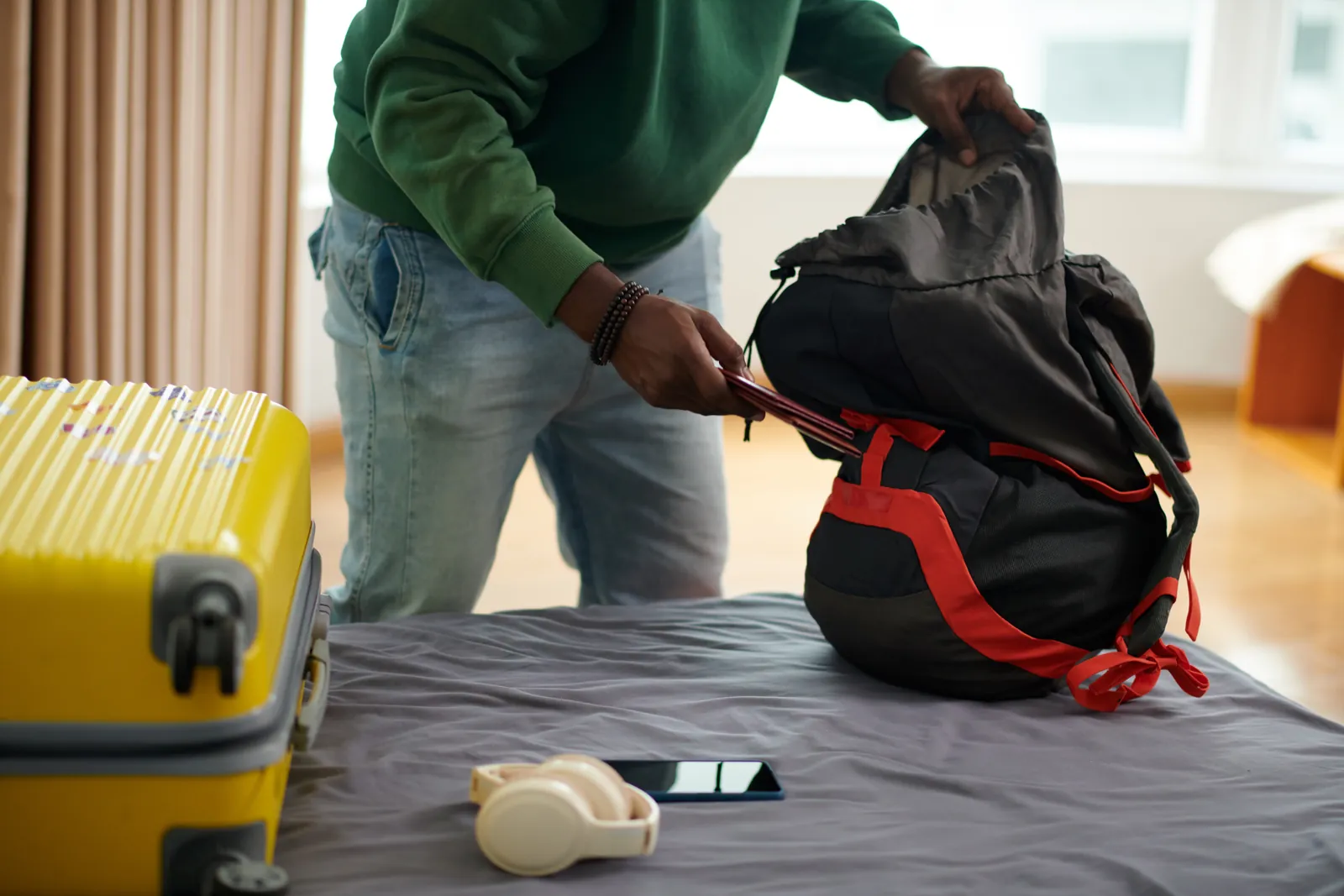
The route is taking shape and students are beginning to picture themselves abroad. Getting the documents organized early helps keep that excitement focused on the journey rather than a last-minute application.
One school group can include Canadian citizens, permanent residents and students with other nationalities or immigration circumstances. Even classmates taking the same flight may need different documents. The useful starting point is each traveller's situation, not a single checklist assumed to fit everyone.
This guide explains the checks and a manageable way to organize them. Use current official instructions for each person, destination and transit point; complex immigration or family circumstances need qualified advice.
Build a traveller-by-traveller requirements sheet
Start with the actual route, including connections and the return to Canada. A connection can introduce a separate document question even if the group does not intend to visit that country. Confirm the route before treating the document list as final.
Ask families to review requirements privately using the student's citizenship, travel document and Canadian immigration status. A name, birthplace, home language or school enrolment is not a reliable guide to the documents a student needs.
For the school's working tracker, record the item required, responsible person, deadline and completion status. Keep passport numbers and document scans out of a general spreadsheet shared with the whole group. Use the school's approved process for sensitive information.
A useful status system has four options: requirement identified, application underway, document received and final check complete. “Applied” and “ready to travel” should never mean the same thing.
Check the passport itself, not just its expiry year
Open the document and check the name, condition and expiry date against current destination requirements. Some destinations require passport validity beyond the return date. Additional validity rules, blank-page requirements and acceptable document types must be checked for the itinerary.
Use the Government of Canada's travel-document guidance as a starting point, then consult the relevant destination authority. Compare the traveller's details with the booking record and ask the carrier or organizer how discrepancies must be corrected.
Leave time for an application to need additional information. IRCC distinguishes passport service standards from actual processing times and recommends receiving the passport before finalizing travel plans. Avoid building a school deadline around a best-case turnaround.
If a passport is replaced after a travel authorization has been obtained, check whether a new authorization is necessary. An approval linked to the previous passport may need to be replaced.
Separate visas from electronic travel authorizations
A visa exemption does not always mean no advance action is required. Some destinations use electronic travel authorizations, and eligibility can depend on nationality, purpose and immigration circumstances.
The UK government's ETA guidance, for example, explains that most visitors need an ETA or visa depending on their circumstances. Where an ETA is required, each traveller needs their own, including children. Use the official eligibility checker rather than applying one assumption to the entire class.
Canada's eTA is a different system, concerned with travel to Canada. IRCC's eTA guidance distinguishes eligible foreign nationals from Canadian citizens and permanent residents. A Canadian eTA is not an authorization to enter the UK or another destination.
Apply through the official government route and verify the passport details carefully. Keep the approval information accessible as instructed, but remember that an authorization is not a guarantee of admission at the border.
Plan the return to Canada as carefully as departure
Canadian students are not necessarily Canadian citizens. A student who is a permanent resident or holds temporary status needs an individual review of return requirements, alongside the destination's entry rules.
For permanent residents travelling back by commercial transport, check the current rules for a valid PR card and passport or travel document. IRCC's permanent resident travel document guidance explains the process for permanent residents outside Canada without a valid PR card. Resolve that question early rather than relying on a last-minute application.
Students with other Canadian immigration circumstances should use IRCC's guidance or obtain qualified advice about their own documents. A study permit, visa and permission to enter are not interchangeable concepts. Teachers should not be expected to resolve complex immigration cases from a general checklist.
A hypothetical example: two classmates hold different passports, and one is a Canadian permanent resident. They may need different destination authorizations and different documents for the return flight. Their shared school itinerary does not remove those differences.
Understand travel consent and school permission
A school's trip permission form and a travel consent letter serve different purposes. Check both as part of preparation, because one may not fulfil the other's purpose.
The Government of Canada recommends a signed consent letter for children travelling abroad without one or both parents or people with decision-making responsibility. Its guidance includes school-group travel. The letter is not a Canadian legal requirement, but officials or airline staff may ask for it, and foreign rules can differ.
Use the official guidance to identify who should sign and what supporting documents may be relevant. Where parenting arrangements are complicated, consent is unavailable or obtaining it could be unsafe, the family should seek appropriate legal advice. Avoid asking a teacher to interpret an order informally.
Check the recommended format, witnessing and original-document guidance well before departure. Families may need appointments or time to coordinate signatures. Keep the consent arrangements aligned with the actual dates, route and accompanying adults.
Keep health and programme documents in their own category
Travel-document preparation also involves practical records that are not immigration permission: insurance information, emergency contacts, school forms and any programme-specific confirmations. Keep these separate so a completed school form does not create false confidence about border readiness.
Ask the school how health information will be collected, who needs access and what accompanies the group. Families should check medication and health-document requirements through official guidance and their healthcare professional where appropriate.
For institutional visits or summer-school activities, confirm whether the host requires identification or other documentation. A proposed visit in an itinerary does not establish access rights or admission to an academic programme.
Use Majole's trip preparation page to organize questions, while relying on the responsible authorities for entry and document decisions.
Document preparation checklist
Complete this checklist for each traveller rather than once for the group:
- Confirm every destination, transit point and travel date.
- Identify the traveller's citizenship, document type and Canadian status privately.
- Check passport condition, name and destination-specific validity requirements.
- Verify visa or authorization requirements using official authorities.
- Check whether the programme purpose changes the applicable entry category.
- Plan documents needed for the return to Canada.
- Review consent-letter and relevant parenting-document needs.
- Complete school permissions and insurance records separately.
- Track application completion and any document replacements.
- Agree how originals, emergency copies and sensitive records will be held.
- Recheck the current requirements before departure.
Make the final check practical
At the final briefing, ask students to identify their document pouch and explain when they will need it. Agree the school's procedure for handling originals during travel; do not improvise custody arrangements at the airport.
Keep secure backup access appropriate to the group's policy, but do not rely on a phone image as a replacement for an original required document. Check that relevant adults can find essential information if a phone is lost or unavailable.
With the document plan underway, there is more room to focus on what students will discover. Use Majole's trip preparation guidance to organize practical questions and ask the team about the proposed itinerary. Entry and immigration decisions remain with the relevant authorities.